A Guide to Home Appraisal: What You Should Expect and How to Get Ready
Understanding property appraisals is essential for all parties engaged in real estate transactions. Such assessments provide an unbiased measure of a property's worth, affecting decisions on buying, selling, or refinancing. Property owners and purchasers commonly seek answers regarding what to expect and how to plan accordingly. Understanding the critical elements that appraisers consider can significantly influence the outcome. As the appraisal proceeds, a number of misunderstandings may surface that could influence expectations and strategies. What are these misunderstandings, and how can they be effectively managed?
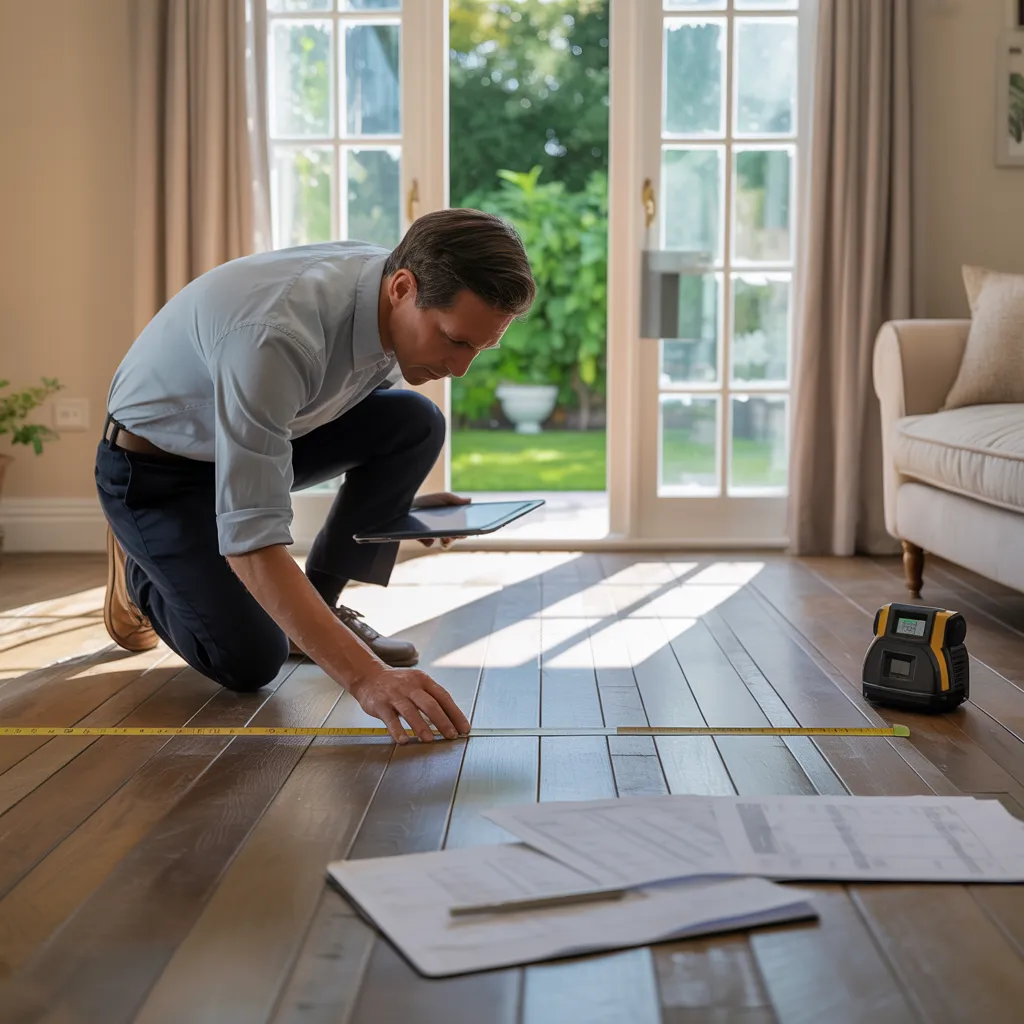
Comprehending Home Appraisals: Definition and Importance
A property appraisal acts as an important analysis in the home buying and selling process, delivering an objective valuation of a property's fair value. This appraisal is typically performed by a certified appraiser who examines the home, reviews comparable transactions, and examines the neighborhood real estate conditions. The appraisal document serves a vital function in multiple property transactions, including purchasing, listing, and refinancing homes. It guarantees that all parties including buyers and lenders have a clear understanding of the property's worth, working to avoid overvaluation or inadequate lending. Moreover, appraisals can also affect property tax assessments and insurance needs. By defining a fair market value, appraisals support a clear and functional property market. At the end of the day, recognizing the value of property appraisals is crucial for both homeowners and real estate investors, as it serves as a foundation for informed decision-making in housing market transactions.
What Appraisers Examine in Home Appraisals
When conducting home appraisals, multiple critical elements impact the overall assessment. The geographical position of the property is of great importance, as it impacts overall desirability and market appeal. Furthermore, the overall state of the property is carefully evaluated to establish its market worth and identify necessary improvements.
Property Location Importance
The location of a property acts as a key factor in home appraisals, influencing overall value and buyer interest. Appraisers evaluate various aspects of the location, including proximity to amenities such as schools, shopping centers, and parks. Area security, transportation availability, and regional employment options also contribute significantly in assessing a home's overall value. Additionally, the overall aesthetic appeal of the area, including landscaping and architecture, can affect buyer perception and demand. Appraisers often conduct a comparative analysis of similar homes in the vicinity, considering recent sales and current mandarin casino market trends. In the end, the desirability of the location can significantly boost or reduce a home's market worth, establishing it as an essential element in the appraisal procedure.
Residential Condition Inspection
A property's condition greatly impacts the home appraisal process, as it indicates the property's overall quality and maintenance level. Appraisers evaluate both the inside and outside aspects of the home, including roofing, plumbing, electrical systems, and structural integrity. They also consider the condition of appliances and fixtures, as well as any needed repairs. Curb appeal and landscaping contribute to determining overall desirability. Additionally, the presence of hazardous conditions, such as mold, pests, or other issues, can negatively affect the overall appraisal value. The appraiser may also factor in the property's age, as older properties may demand greater maintenance. Ultimately, a well-maintained home typically commands a higher appraisal value, while neglect can considerably lower it.
Preparing Your Home for an Appraisal
A successful home appraisal copyrights on comprehensive preparation. Property owners are advised to start by thoroughly cleaning and decluttering their home, establishing a welcoming environment that showcases its finest qualities. Confirming that all repairs are completed—such as fixing leaky faucets or patching holes in walls—may significantly impact the appraiser's assessment of the property's worth.
In addition, looking after the exterior by maintaining the lawn, trimming shrubs, and sweeping walkways increases the home's exterior appeal. Home sellers should also collect important documents, including prior appraisal records, tax documentation, and information about recent remodeling work, to provide context for the real estate appraiser.
Finally, creating a comfortable environment is essential; homeowners should confirm that the property is accessible and that pets are secured during the appraisal. By adhering to these guidelines, homeowners can significantly boost their potential for obtaining a successful appraisal assessment.
Home Appraisal Myths You Should Stop Believing
Many misconceptions surround the home appraisal process, often leading to misunderstanding and false assumptions. One widely held belief is that appraisers are swayed by the homeowner's opinions or emotions regarding property value. In fact, appraisers rely on objective criteria and market data. An additional myth is that a larger asking price automatically results in a higher appraisal. This assumption is incorrect, as appraisals are determined by comparable sales and current market conditions, not the listing price. Additionally, some believe that home improvements consistently add value; however, not all upgrades produce measurable value gains. Finally, many presume that appraisals are solely for buyers, but they are just as valuable for property sellers, financial institutions, and real estate investors in establishing accurate property worth. Being aware of these misconceptions can assist people engage with the appraisal procedure with practical expectations and a well-informed outlook.
What Takes Place During a Home Appraisal?
Throughout a property appraisal, the appraiser plays an essential role in determining the home's market value. Several key factors, including the condition of the home and area market patterns, are meticulously evaluated. The procedure typically follows specific steps to guarantee an reliable valuation.
Understanding the Appraiser's Role
Home appraisers play a critical role in determining a property's market value, utilizing a structured approach to examine numerous aspects. Their process begins by examining the property, noting its condition, size, and distinctive characteristics. Appraisers analyze the immediate surroundings, considering community features and regional market conditions. They collect information from similar properties to set a standard for determining value. Appraisers also assess any enhancements completed on the home, ensuring that they accurately reflect in the overall value. Across the appraisal process, their goal is to deliver a fair and impartial evaluation. Upon finishing their evaluation, appraisers organize their results into a thorough written report, which functions as a key document for buyers, sellers, and lenders during real estate dealings.
Key Factors Evaluated
Even though every appraisal can differ somewhat, several key factors are consistently evaluated to determine a property's value. Initially, the appraiser evaluates the property's location, including neighborhood characteristics and proximity to amenities. Next, the property's dimensions and state are examined, focusing on the total square footage, the structural soundness, and any required repairs. The quantity of bedrooms and bathrooms also holds notable importance. Furthermore, area sales of comparable homes, or \"comps,\" are analyzed, offering insight into the property's market standing. To conclude, the appraiser considers any unique features or upgrades, such as home renovations or energy-saving systems, which may boost the property's overall attractiveness. These factors collectively contribute to a thorough valuation, helping buyers, sellers, and lenders make informed decisions.
Typical Appraisal Process Steps
The appraisal process proceeds through a sequence of systematic steps that ensure a precise valuation of the property. To begin, the appraiser collects relevant information, such as the property's address and owner details. Next, a physical inspection is conducted, in which the appraiser examines both the interior and exterior, recording condition, size, and notable features. Subsequently, the appraiser examines comparable properties, studying recent sales in the area to assess market value. Once all data is gathered, they employ suitable valuation methods, like the cost approach or the sales comparison approach. Finally, a thorough report is generated, presenting findings and confirming a final appraisal value. This structured approach secures a reliable and consistent property valuation.
What to Do Next After Your Home Appraisal Results
Obtaining the results of a home appraisal can stir up a mix of emotions, from comfort to worry. Once the results are in, homeowners should begin by taking the time to review the appraisal report carefully, paying attention to the appraiser's findings and assessment. If the appraisal aligns with or surpasses what was expected, they can continue with their intended course of action, whether selling or refinancing.
However, if the appraisal falls short, homeowners have multiple avenues to consider. They can speak with their real estate agent or lender regarding the outcome to look into available next steps, such as disputing the appraisal or offering additional documentation to back a higher valuation. It may also be worthwhile to compile comparable sales information to reinforce their argument.
Ultimately, understanding the implications of the appraisal results is vital. Homeowners are encouraged to stay diligent, whether continuing with their objectives or tackling any disparities that might influence their financial outcomes.
Questions We Often Receive
How Much Time Does a Home Appraisal Usually Take?
A property appraisal typically takes anywhere from 30 minutes to two hours. Considerations such as the size, complexity, and location of the property can affect the duration of the process, with additional time needed for preparing the report afterward.
Am I Allowed to Be Present During the Appraisal?
Yes, homeowners can typically attend during the home appraisal. That said, it's advisable to remain unobtrusive, permitting the appraiser to perform a comprehensive assessment without distractions or interruptions that may influence their assessment.
What Happens if My Home Appraises for Less Than Expected?
If a home appraises for less than expected, the homeowner might have to enter into negotiations with the buyer, think about decreasing the listed sale price, or tackle potential financing obstacles, possibly causing a delay in the sale or necessitating additional financial resources.
Are Appraisers Licensed or Certified Professionals?
Appraisers are typically certified or licensed experts, complying with state regulations and standards. Their certifications confirm they have the required expertise and capabilities to appraise properties fairly and accurately, maintaining integrity within the real estate market.
How Frequently Should I Have My Home Appraised?
Homeowners are advised to consider getting their property evaluated every three to five years, especially after significant renovations, shifts in the market, or if getting ready to put the home on the market. Periodic appraisals support maintaining an precise awareness of a residence's market value.